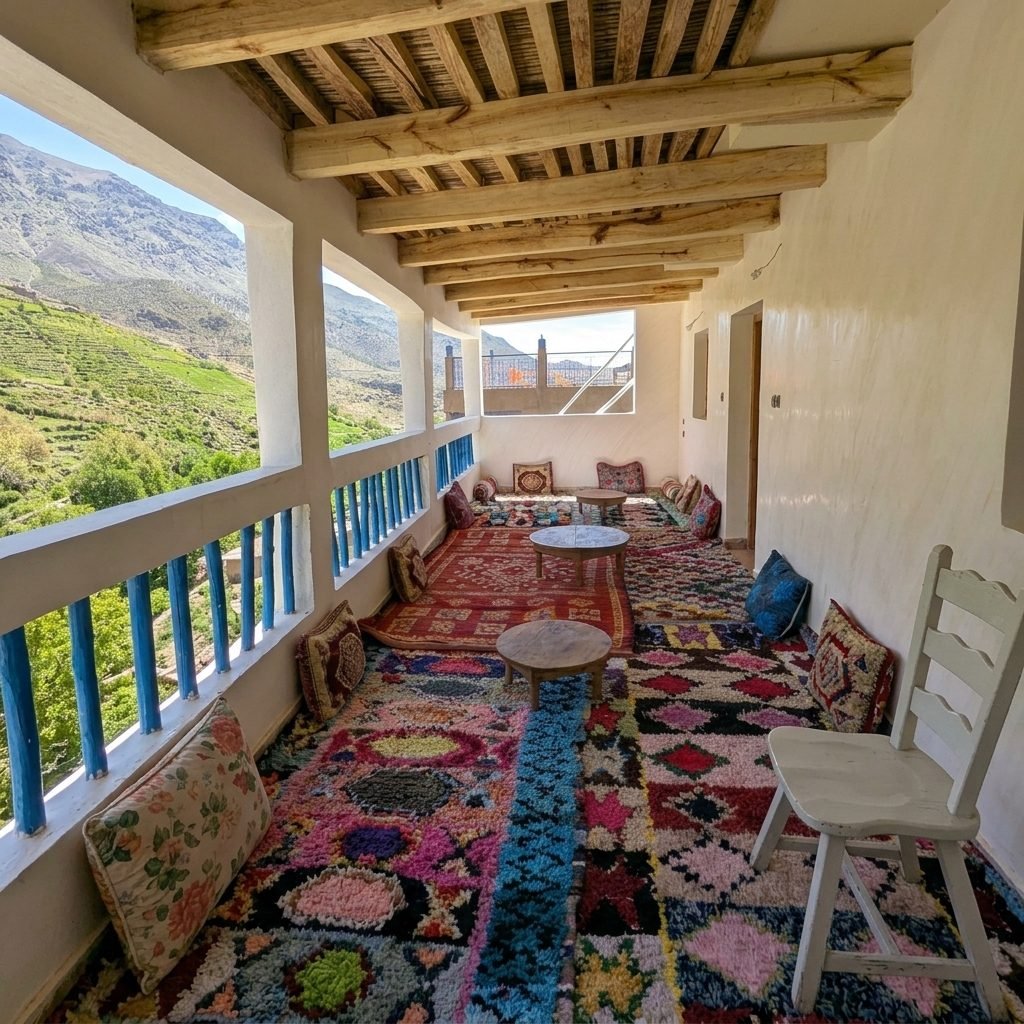
After welcoming over 2,000 first-time visitors to Morocco, I know exactly what catches people off guard — and what makes them fall in love. This guide covers everything you need to know before you land: what to expect, what to pack, how much to budget, and the mistakes every first-timer makes (so you don't have to).
Morocco is one of the most rewarding destinations in the world — a place where you can sip mint tea in a 500-year-old riad, ride camels across Saharan dunes, and hike through snow-capped mountains, all in a single week. But it helps to arrive prepared.
What to Expect in Morocco
Morocco is a sensory experience unlike anything in Europe or North America. The medinas (old walled cities) are a labyrinth of narrow alleys filled with the scent of spices, the sound of call to prayer, and a visual explosion of color. It can feel overwhelming on day one — by day three, you'll never want to leave.
Here's what surprises most first-timers:
- The pace is different. Things move on "Moroccan time." Restaurant meals take longer, plans shift, and flexibility is your best friend.
- Haggling is the norm. In souks and markets, the first price is always 2-3x the real value. Negotiate — it's expected and part of the fun.
- People are incredibly warm. Moroccans are among the most hospitable people you'll meet. Accept tea invitations, they're genuine.
- The landscapes are wildly diverse. From the Atlantic coast to the Sahara desert to the Atlas Mountains — Morocco packs the geography of a continent into one country.
Insider Tip
The first 24 hours in Morocco can feel chaotic, especially in Marrakech. My advice: book your first night in a riad with airport transfer arranged in advance. Having someone waiting for you at the airport eliminates 90% of arrival stress.
What Shapes Your Budget in Morocco?
Morocco is excellent value for money compared to European destinations. What you spend depends mostly on the comfort level you choose for each part of the trip:
| Category | Budget | Mid-Range | Luxury |
|---|---|---|---|
| Accommodation | Hostels and simple guesthouses | Riads with character and good service | Palace riads and resort hotels |
| Food | Street food and local cafés | Restaurant tagines and rooftop dinners | Fine dining in riads and palaces |
| Transport | Buses and shared grand taxis | Trains plus a few private transfers | A private driver throughout |
| Activities | Medinas on foot and free sights | Guided visits and a desert camp | Private guides, balloon flights, luxury camps |
Currency tip: Morocco uses the Dirham (MAD). ATMs are everywhere in cities. Cards are accepted at hotels and upscale restaurants, but carry cash for souks, taxis, and small shops.
What to Pack for Morocco
Morocco is a Muslim country and relatively conservative, especially outside major tourist areas. Here's what to bring:
- Modest clothing: Cover shoulders and knees. Loose, breathable fabrics work best. Women don't need to cover their heads, but a scarf is useful for visiting mosques (from outside) and for the desert.
- Comfortable walking shoes: Medina streets are cobblestone and uneven. Sneakers or sturdy sandals are essential.
- Sun protection: Sunscreen (SPF 50+), sunglasses, and a hat. The Moroccan sun is intense — even in spring.
- Layers: Desert nights drop to 5–10°C even when daytime reaches 35°C. Bring a warm layer for evening.
- Power adapter: Morocco uses European-style Type C/E plugs (220V).
Insider Tip
Don't overpack. You can buy beautiful cotton scarves, leather sandals, and kaftans in the souks at a fraction of Western prices. Some of my clients arrive with half-empty suitcases on purpose!
Is Morocco Safe?
Morocco is one of the safest countries in Africa for tourists. The government invests heavily in tourism security — you'll notice tourist police in major cities. Here are practical safety tips:
- Petty theft: The main concern. Use a crossbody bag in medinas, don't flash expensive cameras, and keep phones in front pockets.
- "Unofficial guides": In Fes and Marrakech, people may offer to "show you the way" then demand payment. Politely decline with "La shukran" (No thank you) and keep walking.
- Taxi scams: Always agree on the price BEFORE getting in, or insist the meter is turned on. Ask your riad what a fair fare looks like before you head out.
- Food safety: Street food is generally safe — eat where locals eat, and choose stalls with high turnover. Avoid tap water; bottled water is sold everywhere.
For solo female travelers: Morocco is manageable with basic precautions. Dress modestly, walk with confidence, and don't engage with catcallers. Many of our solo female clients report feeling safer than expected, especially in riads and organized tours.
Where to Go: The Essential Route
For a first visit, we recommend this route that covers Morocco's greatest hits in 7–10 days:
- Marrakech (2-3 days) — The gateway city. Explore the Medina, visit Jardin Majorelle, take a cooking class, and watch sunset from a rooftop.
- Atlas Mountains (1 day) — Day trip to Ourika Valley or Ait Ben Haddou kasbah. A stunning contrast to the city.
- Sahara Desert (2-3 days) — The highlight for most visitors. Camel trek into Erg Chebbi dunes, sleep in a desert camp under the stars.
- Fes (1-2 days) — The spiritual capital. The world's largest car-free urban area, with 9,000+ alleyways, tanneries, and centuries-old craftsmanship.
- Chefchaouen (1 day) — The Instagram-famous Blue City. A relaxing mountain town painted in every shade of blue.
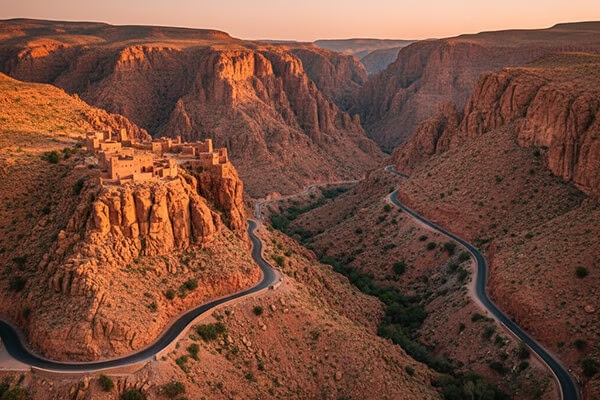
8-Day Kasbahs & Desert Tour
Getting Around Morocco
Morocco has several transport options depending on your comfort level:
- Private driver/tour: The most comfortable option. Your driver handles everything — you just enjoy the scenery. Essential for the Sahara route where roads are remote.
- Trains (ONCF): Modern and reliable between Marrakech, Casablanca, Rabat, Fes, and Tangier. Book at oncf.ma. First class costs only a little more and is worth it.
- CTM/Supratours buses: Comfortable coaches covering routes trains don't reach (e.g., to Merzouga, Chefchaouen, Essaouira).
- Grand Taxis: Shared taxis between cities. Cheap but cramped — 6 passengers in a Mercedes sedan.
Insider Tip
Do NOT rent a car if you're staying in Marrakech or Fes. Medina driving is impossible and parking is a nightmare. Rent only if you're doing a road trip through the countryside or coast.
What to Eat
Moroccan cuisine is one of the world's great food cultures. The must-try dishes:
- Tagine — Slow-cooked stew in a cone-shaped clay pot. Try chicken with preserved lemons and olives.
- Couscous — Traditional Friday lunch. Seven-vegetable couscous is a ceremony in itself.
- Pastilla — Savory-sweet pastry with pigeon or chicken, almonds, and cinnamon. Unique to Morocco.
- Harira — Tomato-based soup with lentils and chickpeas. Perfect for cold evenings.
- Mint tea — Moroccan "whiskey." Green tea with fresh mint and lots of sugar, poured from a height for foam.

Marrakech Cooking Class
7 Common Mistakes First-Timers Make
- Trying to see everything — Morocco is bigger than you think. Pick 3-4 cities max in 7 days.
- Not bargaining in souks — You're expected to negotiate. Start at 40-50% of the asking price.
- Booking a cheap Sahara tour — Bargain "desert tours" skip the real Sahara entirely. You get Zagora (close, less impressive) instead of Merzouga (the real deal).
- Wearing revealing clothing — Morocco is conservative. Respect the culture and you'll be rewarded with warmth.
- Not carrying cash — Cards are for hotels only. Everything else is cash. ATMs are in every town.
- Skipping Fes for more Marrakech time — Fes has deeper culture, better artisans, and fewer tourists. Don't skip it.
- Over-planning every minute — Leave room for the unexpected. The best moments in Morocco are unplanned.
Frequently Asked Questions
Is Morocco safe for first-time visitors?
Yes, Morocco is very safe for tourists. It ranks as one of the safest countries in Africa. Petty theft in crowded medinas is the main concern — use a crossbody bag, keep valuables in your hotel safe, and be aware of common tourist scams like fake guides. Violent crime against tourists is extremely rare.
Is Morocco expensive to visit?
Morocco is good value next to most European destinations. Your budget depends mostly on three choices: where you sleep (a simple guesthouse or a palace riad), how you travel between cities (bus and train, or a private driver), and how many guided experiences you add. Flights from Europe are short, and outside school holidays they are often inexpensive.
Do I need a visa for Morocco?
Citizens of the EU, UK, USA, Canada, Australia, and 60+ other countries do NOT need a visa for stays up to 90 days. You only need a passport valid for at least 6 months from your entry date. You will receive a stamp on arrival — no paperwork needed.
What is the best time to visit Morocco for the first time?
The best months for first-timers are March–May and September–November. Temperatures are comfortable (20–30°C), crowds are manageable, and prices are lower than peak season. Avoid July–August if you dislike extreme heat (up to 45°C in Marrakech).
Should I book a guided tour or travel independently?
For first-timers, a guided tour (especially for the Sahara desert) is strongly recommended. You get local knowledge, safe desert transportation, pre-arranged accommodation, and skip the hassle of negotiating everything yourself. City exploration (Marrakech, Fes) can easily be done independently.